


Which Seeds Are Good for Weight Loss? 7 Healthy Seeds to Add to Your Diet
When it comes to weight loss, there is no single food that can magically burn fat or make you lose weight overnight. However, adding nutritious foods to a balanced diet can make it easier to manage hunger, improve overall nutrition, and maintain healthy eating habits.
Seeds can be a great addition to a weight-loss diet because many varieties provide protein, fiber, healthy fats, vitamins, and minerals. They can help you feel satisfied after meals and make healthy meals more nutritious.
In this article, we will look at 7 seeds that can be included in a healthy weight-loss diet, how to eat them, and how much you should have.
Chia Seeds
Chia seeds are one of the most popular seeds for people trying to manage their weight.
They are rich in fiber, which can help increase fullness and support healthy digestion. When soaked in water, chia seeds absorb liquid and develop a gel-like texture, making them a useful ingredient in smoothies, yogurt, oats, and puddings.

How to eat chia seeds :
Add them to Add them to overnight oats.
Mix them into yogurt.
Add them to smoothies.
Make chia pudding.
Sprinkle a small amount over breakfast.
Tip:
Start with a small quantity and drink enough water throughout the day.
Flax Seeds
Flax seeds are a good source of fiber, plant-based omega-3 fatty acids (ALA), and other nutrients.
Their fiber content can contribute to feelings of fullness, while including healthy fats in your diet can make meals more satisfying.
For better use by the body, ground flax seeds are generally more practical than whole flax seeds, which may pass through the digestive tract without being fully broken down.
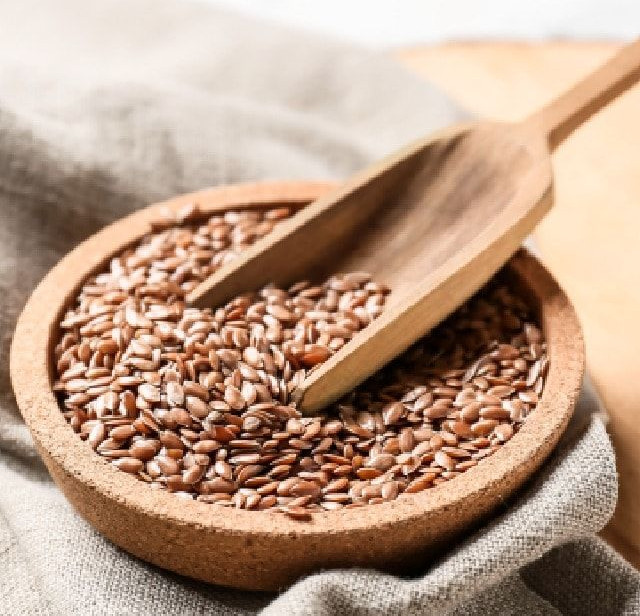
How to eat flax seeds
You can add ground flax seeds to:
Oatmeal
Smoothies
Curd or yogurt
Homemade energy bites
Whole-grain rotis or other foods
Pumpkin Seeds
Pumpkin seeds are packed with nutrients, including protein, healthy fats, magnesium, zinc, and fiber.
Their combination of protein and fat can make them a satisfying snack. However, pumpkin seeds are also relatively calorie-dense, so portion size matters when your goal is weight loss.

Easy ways to eat pumpkin seeds:
Add them to salads
Mix them into homemade trail mix
Sprinkle them over soups
Add them to yogurt
Eat a small portion as a snack
Choose unsalted pumpkin seeds when possible.
Sunflower Seeds
Sunflower seeds contain healthy fats, protein, fiber, vitamin E, and minerals.

They can be used as a crunchy topping for salads, vegetables, soups, or breakfast bowls.
For weight management, avoid turning them into a high-calorie snack by eating large handfuls. A small portion is usually enough.
Sesame Seeds
Sesame seeds are commonly used in Indian cooking and can be an easy way to add nutrients to everyday meals.
They contain healthy fats, protein, fiber, calcium, magnesium, and other nutrients.

You can use sesame seeds in chutneys, vegetable dishes, salads, or homemade preparations.
Try this :
Add a small amount of roasted sesame seeds to your salad or sprinkle them over cooked vegetables for extra texture and flavor.
Hemp Seeds :

Hemp seeds provide protein, healthy fats, fiber, and several minerals.
Their mild, nutty flavor makes them easy to add to smoothies, yogurt, oatmeal, and salads.
They can be particularly useful for people following vegetarian or plant-based diets who want to increase their intake of plant-based protein.
Watermelon Seeds

Watermelon seeds are often overlooked, but they can provide protein, healthy fats, magnesium, iron, and other nutrients.
Roasted watermelon seeds can be eaten as a snack or added to homemade seed mixes.
As with other seeds, the key is moderation because they contain a significant amount of energy in a relatively small serving.
Which Seeds Are Best for Weight Loss?
There isn't one seed that is scientifically proven to be the "best" for weight loss.
Different seeds provide different nutritional benefits:
SEEDS | Key Nutritional Benefit | How to Use |
Chia seeds | High in fiber | Oats, yogurt, smoothies |
Flax seeds | Fiber + plant omega-3 | Ground into meals |
Pumpkin seeds | Protein + minerals | Snacks, salads |
Sunflower seeds | Healthy fats + vitamin E | Salads, snacks |
Sesame seeds | Healthy fats + minerals | Chutneys, vegetables |
Hemp seeds | Plant protein | Smoothies, yogurt |
Watermelon seeds | Protein + minerals | Roasted snack |
The best choice depends on your overall diet, nutritional needs, preferences, and health goals.
How Much Seeds Should You Eat for Weight Loss?
More is not necessarily better.
Although seeds are nutritious, they are also relatively high in calories because they contain healthy fats. Eating large quantities can increase your overall calorie intake and potentially make weight management more difficult.
A practical approach is to include a small portion of seeds as part of a balanced meal or snack, rather than eating several large handfuls throughout the day.
Your ideal portion may vary depending on your calorie needs, activity level, health goals, and overall diet.
Best Time to Eat Seeds for Weight Loss
There is no scientifically established "best time" to eat seeds for weight loss.
You can include them at a time that fits naturally into your routine.
For example:
Breakfast :
Add chia or ground flax seeds to oats, yogurt, or a smoothie.
Mid-morning or evening snack :
Have a small portion of unsalted pumpkin or sunflower seeds.
Lunch :
Add sesame or pumpkin seeds to salads or vegetables.
Post-workout :
Hemp seeds can be added to a protein-rich smoothie or yogurt-based snack.
The overall quality and calorie balance of your diet matters much more than the exact timing.
Can Eating Seeds Burn Belly Fat?
This is a common question.
No individual seed can specifically burn belly fat.
Fat loss occurs when your body uses more energy than it receives over time. Where your body loses fat first is influenced by factors such as genetics, hormones, age, sex, and overall body composition.
Seeds can support a healthy diet because they provide fiber, protein, and healthy fats, but they should not be considered a fat-burning food.
Seeds for Weight Loss: Common Mistakes to Avoid
1. Eating too much:
Seeds are nutritious but calorie-dense. Large portions can quickly add calories to your diet.
2. Choosing heavily salted or flavored seeds:
Some packaged seed products contain significant amounts of salt, sugar, or added oils.
3. Depending on seeds alone:
Adding seeds to an otherwise unbalanced diet will not lead to sustainable weight loss.
4. Expecting quick results:
Healthy weight management requires consistent nutrition, physical activity, adequate sleep, and sustainable habits.
5. Replacing complete meals with seeds:
Seeds should complement a balanced diet rather than replace protein-rich, fiber-rich meals.
How to Add Seeds to an Indian Weight-Loss Diet
Seeds are easy to incorporate into everyday Indian meals.
Here are some simple ideas:
Breakfast: Oats + curd + chia seeds + fruit
Snack: A small portion of roasted pumpkin seeds
Lunch: Vegetable salad + sesame seeds
Evening: Curd + ground flax seeds
Smoothie: Fruit + curd/milk + chia or hemp seeds
Dinner: Vegetable soup topped with pumpkin seeds
The goal is not to eat every type of seed every day. Instead, rotate different seeds and keep portions moderate.
Frequently Asked Questions (FAQs)
Which seed is best for weight loss?
Chia seeds and flax seeds are popular choices because they provide fiber, while pumpkin and hemp seeds provide useful amounts of protein and healthy fats. However, no single seed causes weight loss by itself.
Can I eat seeds every day?
For most people, seeds can be included regularly as part of a balanced diet. Portion size is important because seeds are calorie-dense.
Should I soak chia seeds?
Soaking chia seeds can make them easier to incorporate into foods and gives them a gel-like texture. Always consume them with adequate fluid.
Are roasted seeds good for weight loss?
Roasted seeds can be part of a weight-loss diet. Prefer minimally processed, unsalted varieties and watch your portion size.
Can seeds reduce belly fat?
Seeds cannot specifically target belly fat. Reducing overall body fat requires a sustainable calorie-controlled eating pattern along with regular physical activity.
Final Thoughts
Seeds can be a nutritious addition to a weight-loss diet, but they are not a magic solution for fat loss.
Chia seeds, flax seeds, pumpkin seeds, sunflower seeds, sesame seeds, hemp seeds, and watermelon seeds can all provide valuable nutrients. The most important factors are portion control, overall calorie intake, adequate protein and fiber, regular physical activity, and sustainable eating habits.
If you are struggling to lose weight or are unsure how to include seeds and other foods in your diet, a personalized nutrition plan can be more useful than following a one-size-fits-all diet.
Looking for personalized nutrition guidance? Visit Nutritionist Prachi at www.nutritionist-prachi.com to learn more about nutrition consultation and personalized diet planning. You can also call/ WhatsApp us at +91 95454 05936
Disclaimer:
This article is for general educational purposes and should not be considered medical advice. Individual nutritional requirements vary. If you have a medical condition, food allergy, are pregnant or breastfeeding, or take medications, consult a qualified healthcare professional or registered dietitian/nutritionist before making significant dietary changes.


Comments