


Stop Making These 10 Weight Loss Mistakes
Losing weight can feel frustrating, especially when you are eating carefully and exercising but not seeing the results you expect. The problem is often not a lack of effort. Instead, small and common mistakes in your diet, eating habits, sleep, exercise routine, or expectations may be slowing your progress.
Weight loss is not about following an extreme diet or completely eliminating your favorite foods. Sustainable weight loss usually comes from creating healthy habits that you can maintain over time.

If you are trying to lose weight, here are 10 common weight loss mistakes you should stop making.
Eating Too Little :
One of the most common weight loss mistakes is drastically reducing your food intake.
Some people believe that eating very little will automatically lead to faster weight loss. However, extremely restrictive eating can make it difficult to meet your nutritional needs and may increase hunger, cravings, fatigue, and the likelihood of overeating later.
Instead of starving yourself, focus on eating balanced meals containing:
Protein
Vegetables
Fruits
Whole grains
Healthy fats
Adequate fluids
The goal should be to create a reasonable calorie deficit while still providing your body with the nutrients it needs.
What to do instead :
Build meals around nutrient-dense foods and control portions rather than skipping meals or following crash diets.

Skipping Breakfast or Other Meals Without a Plan :
Skipping meals is sometimes used as a weight loss strategy. While meal timing can vary from person to person, simply skipping meals does not guarantee weight loss.
If skipping a meal causes you to become extremely hungry later, you may end up eating larger portions or choosing highly processed foods.
What to do instead :
Choose an eating schedule that works with your lifestyle. If you prefer breakfast, choose a balanced option such as:
Vegetable poha with curd
Eggs with whole-grain toast
Vegetable upma
Oats with fruit and nuts
Moong dal chilla with vegetables

The key is not whether you eat breakfast at a particular time, but the overall quality and quantity of your diet.
Focusing Only on Exercise :
Exercise is an important part of a healthy lifestyle, but relying on exercise alone for weight loss can be challenging.
You may burn calories during a workout, but your overall food intake, daily activity, sleep, and other lifestyle habits also matter.
For example, exercising for an hour and then regularly consuming high-calorie snacks and sugary beverages can make it difficult to maintain a calorie deficit.
What to do instead :
Combine regular physical activity with healthy eating habits.
Your routine can include:
Walking
Strength training
Cycling
Swimming
Jogging
Sports
Everyday physical activity

Choose activities you enjoy so that you can maintain them consistently.
Drinking Too Many Liquid Calories :
People often focus on what they eat while forgetting about what they drink.
Sugary drinks, sweetened tea and coffee, soft drinks, energy drinks, milkshakes, and some packaged beverages can add significant calories to your daily intake without making you feel as full as a solid meal.
What to do instead :
Make water your primary beverage.
Other options may include:
Unsweetened tea
Unsweetened coffee
Plain or sparkling water
Water infused with lemon, mint, or other fruits
If you regularly consume sugary drinks, gradually reducing them can be a practical first step.

5. Believing That “Healthy” Foods Can Be Eaten Without Portion Control :
A food can be nutritious and still contribute substantial calories when consumed in large quantities.
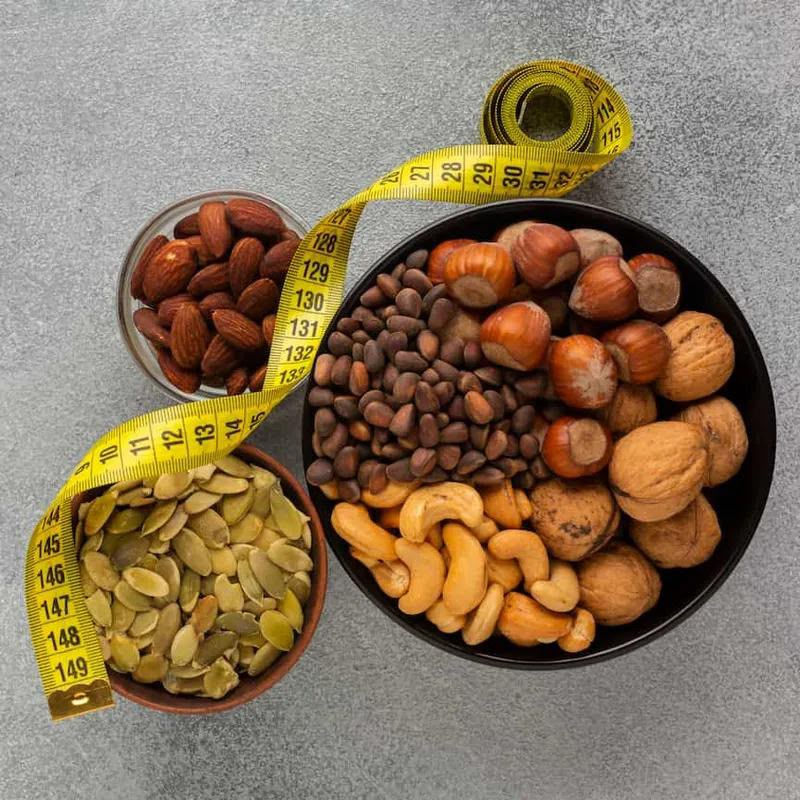
Foods such as nuts, seeds, nut butters, dried fruits, granola, avocado, and healthy cooking oils can be part of a balanced diet, but portion size still matters.
For example, eating a large handful of nuts several times a day can add considerably more calories than you may realize.
What to do instead :
Pay attention to portion sizes.
Try using:
Smaller serving bowls
Measuring cups or spoons when needed
A food diary
Nutrition labels
You do not need to eliminate nutritious foods. Instead, learn how much you actually need.
Eliminating Carbohydrates Completely :
Carbohydrates are often blamed for weight gain, leading some people to completely remove rice, roti, potatoes, fruits, and other carbohydrate-containing foods.
However, carbohydrates are an important source of energy, and many carbohydrate-containing foods also provide fiber, vitamins, minerals, and other nutrients.
The issue is often food quality, portion size, and total calorie intake, rather than carbohydrates themselves.
What to do instead :
Choose more minimally processed carbohydrate sources, such as:
Whole grains
Oats
Brown rice
Whole-wheat roti
Millets
Beans
Lentils
Fruits
Vegetables
You can include carbohydrates in a weight loss diet while paying attention to portions and your overall dietary pattern.
7. Not Eating Enough Protein :
Protein plays an important role in a healthy diet and can help support muscle maintenance while losing weight. Protein-rich foods can also help you feel satisfied after meals.
If your meals mainly consist of refined carbohydrates with little protein, you may feel hungry again soon after eating.
What to do instead :
Include a source of protein in your meals.
For a vegetarian Indian diet, options include:
Dal
Rajma
Chana
Soy products
Tofu
Paneer
Greek yogurt or curd
Milk
Non-vegetarian options include:
Eggs
Chicken
Fish
Lean meat
Your individual protein needs depend on factors such as body size, activity level, age, and overall health.

8. Expecting Very Fast Results :
Another major mistake is expecting to lose a large amount of weight in a very short period.
Your body weight can fluctuate from day to day because of changes in water retention, food intake, digestion, hormones, and other factors.
This means the number on the weighing scale does not always reflect changes in body fat.
What to do instead :
Focus on long-term progress.
Track several indicators, such as:
Body weight trends
Waist measurement
Fitness level
Strength
Energy levels
How your clothes fit
Consistency with healthy habits
Instead of asking, “How quickly can I lose weight?” ask, “Can I maintain these habits for the long term?”
9. Ignoring Sleep and Stress :
Weight management is not only about food and exercise.
Poor sleep and chronic stress can affect appetite, food choices, energy levels, and your ability to maintain healthy routines.
When you are tired or stressed, you may be more likely to reach for convenient, highly processed foods or skip physical activity.
What to do instead :
Make sleep and stress management part of your overall health routine.
Helpful habits include:
Maintaining a consistent sleep schedule
Limiting excessive screen use before bedtime
Getting regular physical activity
Practicing relaxation techniques
Spending time outdoors
Maintaining social connections
Adults generally need around 7–9 hours of sleep per night, although individual needs can vary.

10. Following Every New “Weight Loss” Trend :
The internet is full of quick-fix diets, detox drinks, fat-burning foods, supplements, extreme fasting plans, and miracle weight loss claims.
Following a new diet every few weeks can make healthy eating confusing and difficult to maintain.
Some approaches may also be unnecessarily restrictive or nutritionally inadequate.
What to do instead :
Look for sustainable habits rather than dramatic promises.
A healthy weight loss approach generally focuses on:
Balanced nutrition
Appropriate portions
Regular physical activity
Adequate protein and fiber
Good slee
Stress management
Consistency
If a diet promises dramatic results with almost no effort, be cautious.
Bonus: 5 Simple Habits That Can Support Weight Loss
Instead of concentrating only on what you should stop doing, focus on habits you can gradually add to your routine.
1. Add More Vegetables
Vegetables are generally rich in fiber and provide many vitamins and minerals. Adding vegetables to meals can help increase meal volume without relying heavily on calorie-dense foods.
2. Prioritize Protein
Include a protein source in your main meals. This can help make meals more satisfying and supports muscle maintenance.
3. Drink More Water
Keep water easily available throughout the day and choose it instead of sugary beverages more often.
4. Move More Throughout the Day
Weight management isn't only about gym workouts. Walking, taking stairs, household activities, and other forms of daily movement can contribute to overall physical activity.
5. Plan Your Meals
Planning meals ahead of time can make it easier to choose nutritious foods and reduce last-minute dependence on highly processed or fast foods.
What Does a Healthy Weight Loss Diet Look Like?
There is no single diet that works for everyone.
A balanced approach can include a combination of:
Food Group | Examples |
Protein | Dal, beans, eggs, fish, chicken, tofu, paneer, curd |
Vegetables | Leafy greens, carrots, cucumber, tomatoes, cauliflower, broccoli, beans, and other seasonal vegetables |
Fruits | Apples, oranges, berries, guava, papaya, watermelon, and other whole fruits |
Whole Grains | Oats, whole-wheat roti, brown rice, millets, and other minimally processed grains |
Healthy Fats | Nuts, seeds, and appropriate amounts of plant oils |
Portion Guidance: The right portions depend on your individual energy requirements, goals, activity level, and health needs.
Frequently Asked Questions About Weight Loss :
Can I lose weight without completely avoiding rice?
Yes. Rice can be part of a balanced weight loss diet. The amount you eat and your overall daily calorie intake matter. You can also combine rice with protein and vegetables to create a more balanced meal.
Is skipping dinner good for weight loss?
Skipping dinner is not necessary for weight loss. Some people may prefer earlier or time-restricted eating patterns, but the overall quality and quantity of your diet remain important.
Can I eat fruit while trying to lose weight?
Yes. Whole fruits can be part of a healthy weight loss diet. They provide nutrients and fiber. Portion size and your overall diet still matter.
Do I need to stop eating sugar completely?
You don't necessarily need to eliminate all sugar-containing foods, but limiting foods and beverages high in added sugars can make it easier to manage overall calorie intake.
How often should I weigh myself?
There is no single ideal frequency for everyone. If you choose to monitor your weight, try to look at the overall trend rather than reacting to individual day-to-day changes.
Why am I not losing weight despite exercising?
Several factors can influence weight change, including food intake, portion sizes, activity level, sleep, stress, medications, medical conditions, and normal fluctuations in body water. If you have been making consistent changes without seeing progress, consider discussing your situation with a qualified healthcare professional or registered dietitian.
Need help with weight loss? Contact us at +91 95454 05936
Visit website: www.nutritionist-prachi.com/shop
Final Thoughts :
Successful weight loss is not about eating as little as possible or following the latest diet trend.
The most useful approach is to build habits that you can realistically maintain. Avoid extreme restriction, pay attention to portions, choose nutrient-dense foods, include adequate protein and fiber, stay physically active, get enough sleep, and give your body time to respond.
Most importantly, remember that healthy weight loss is a long-term process, not a quick fix.
If you have a medical condition, are taking medication, are pregnant or breastfeeding, or have a history of disordered eating, speak with an appropriate healthcare professional before making significant changes to your diet or exercise routine.


Comments